In field service, a job is only as good as the part needed to finish it. A technician can be perfectly skilled, dispatched on time and standing in front of the right equipment — and still fail to close the job because the one component it needs is sitting in a warehouse 40 kilometres away, or on a colleague's van, or simply unaccounted for. Missing parts are one of the most expensive and least visible causes of lost field service revenue.
The fix is inventory visibility: a live, accurate view of what stock you have and exactly where it is — in the warehouse, in transit and on every van. Get that right and a whole chain of downstream problems quietly disappears.
What Field Service Inventory Visibility Actually Means
Inventory visibility is not the same as having a stock list. A spreadsheet of parts tells you what you bought; it does not tell you what is left, where it physically is right now, or whether the part a technician needs for tomorrow's job is actually on their van. True field service inventory visibility means:
- Unit-level tracking — you can see individual parts, not just rough quantities.
- Location awareness — you know whether a part is in the warehouse, in transit or on a specific van.
- Real-time accuracy — stock levels update as parts are used on jobs, not at a monthly stock-take.
- Job linkage — the parts a job requires are tied to the job, so you know before dispatch whether they are available.
The Real Cost of Poor Parts Visibility
When you cannot see your inventory clearly, the costs surface everywhere except the stock report:
- Return visits — the most direct cost. No part on the van means a second trip, doubling travel and labour for a single job.
- Missed SLAs — resolution windows breach while you wait for a part to be located or ordered.
- Over-ordering — when nobody trusts the stock figures, teams hoard parts "just in case," tying up cash.
- Stockouts on critical parts — the components you use most run dry without warning because nobody saw it coming.
- Revenue leakage — parts fitted on site but never recorded against the job simply never get billed.
Each of these is really the same problem wearing a different hat: you cannot manage what you cannot see.
How to Get Inventory Under Control
Track parts from the warehouse to the van
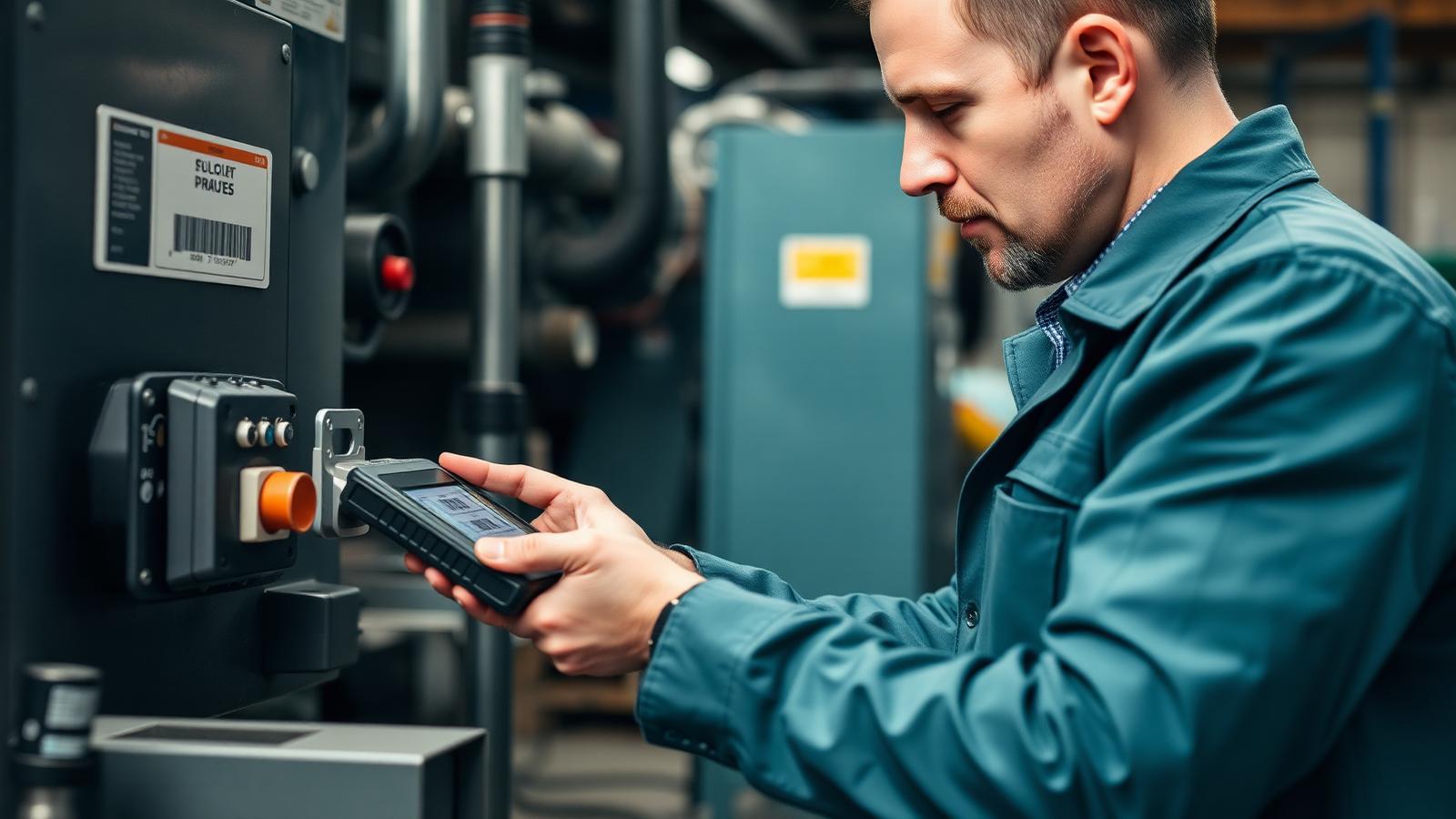
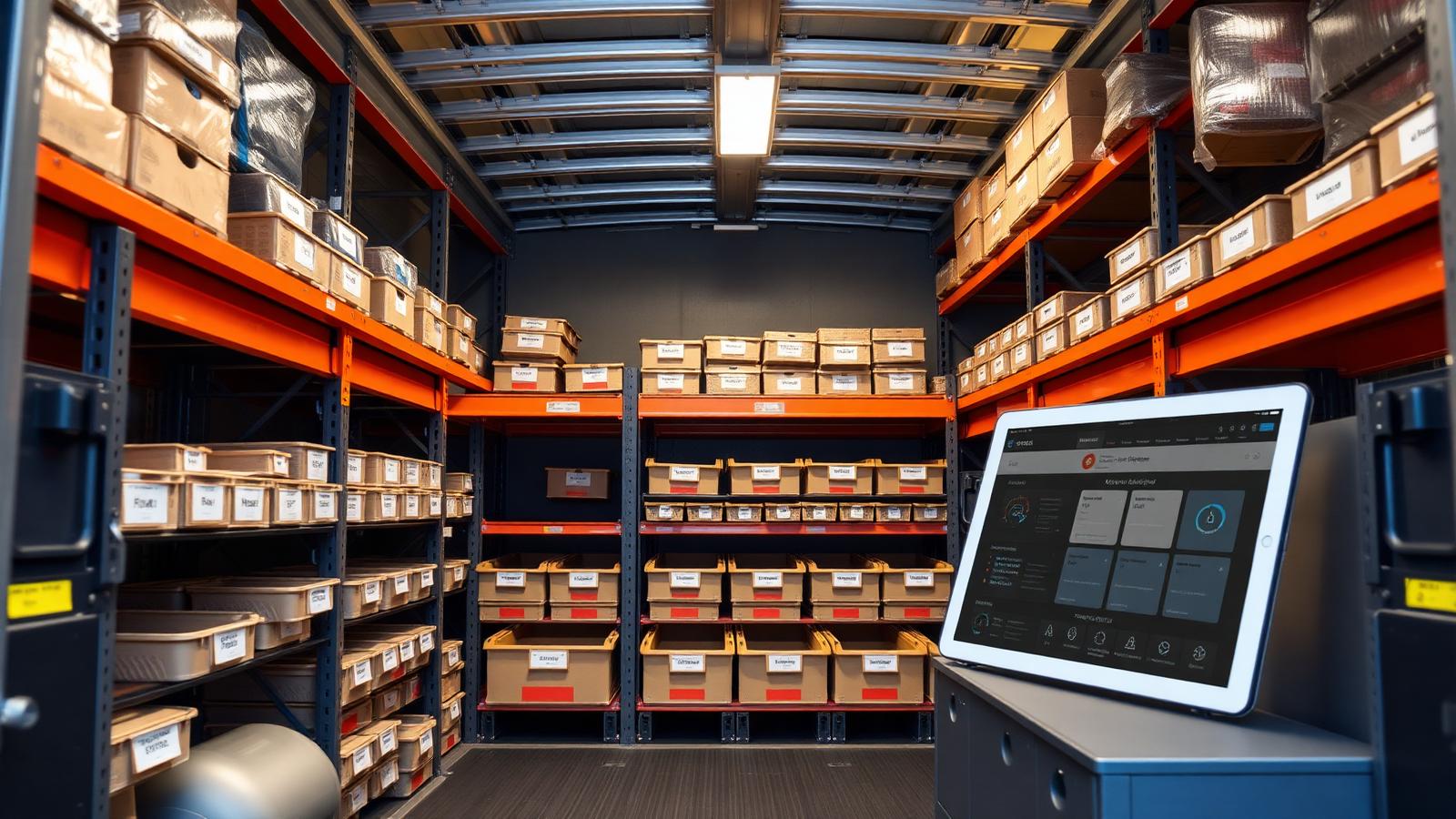
Visibility has to follow the part through its whole journey. Warehouse Parts Inventory manages stock at the depot, while Parts and Inventory extends that view down to technician and van level — with barcode and unit-level tracking — so a part never disappears from view the moment it leaves the shelf.
Tie parts to jobs before dispatch
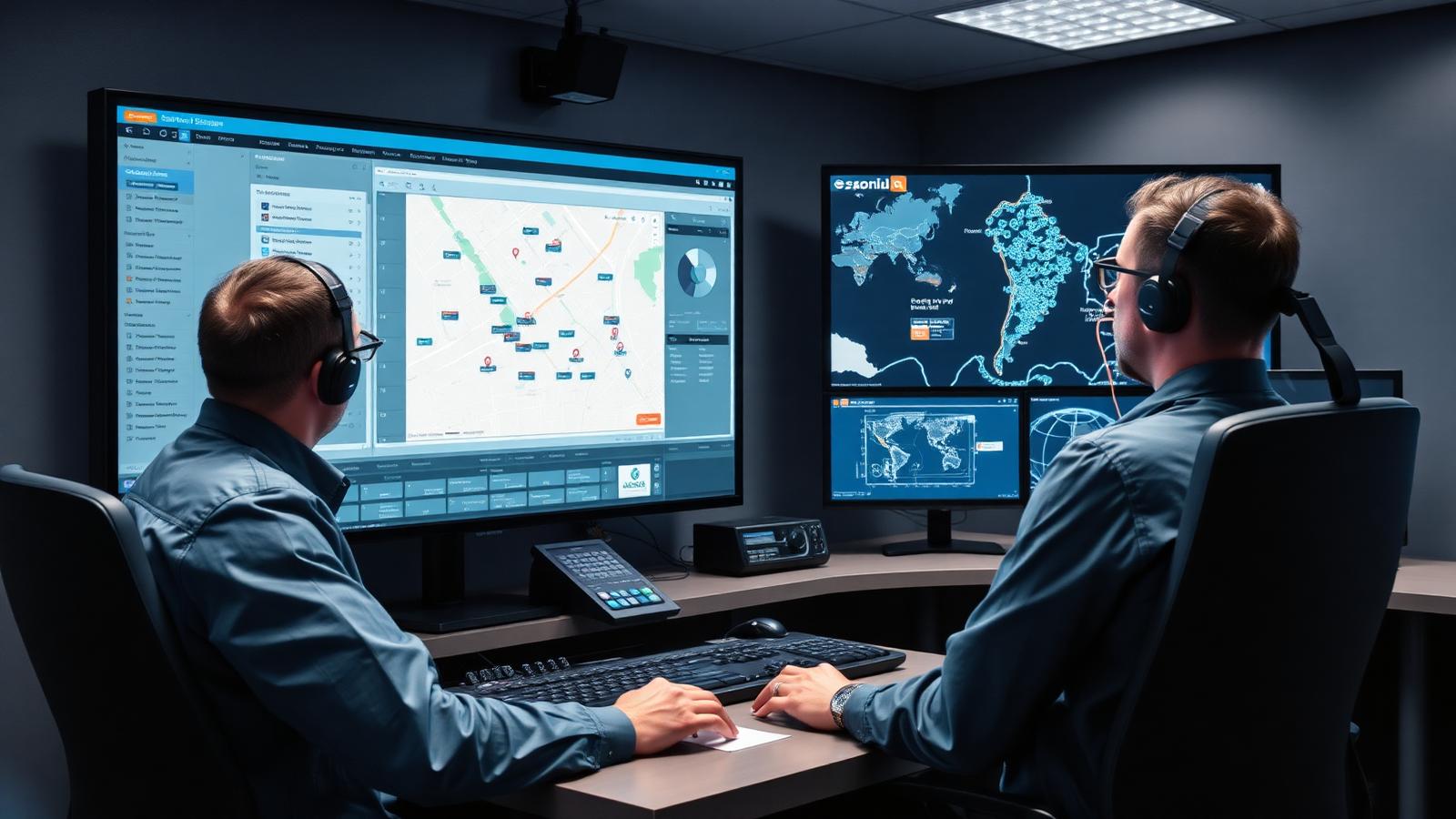
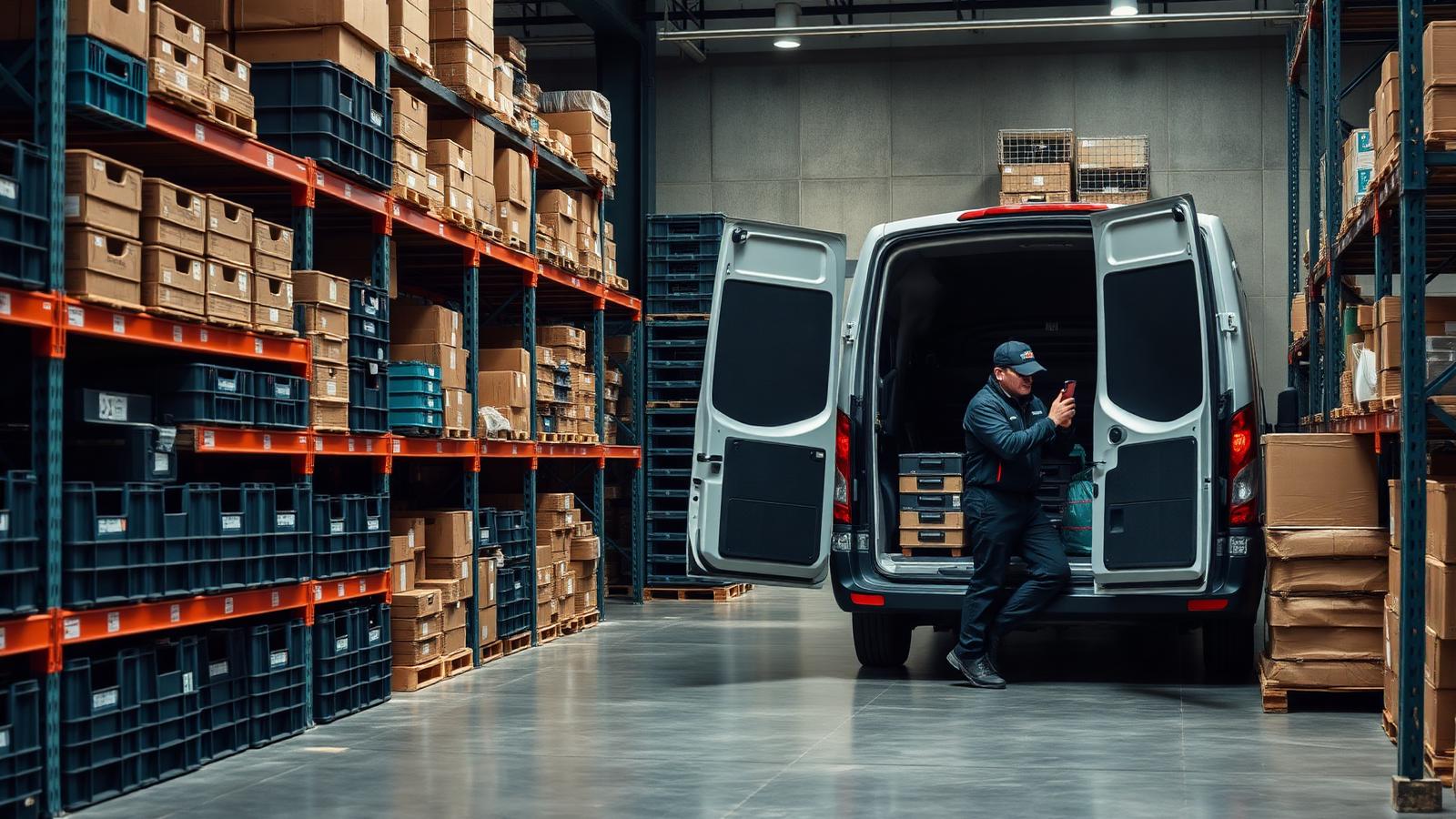
The most valuable moment for inventory visibility is just before a technician leaves. When the parts a job requires are linked to the job, dispatch can confirm those components are on the van — or hold the job until they are. That single check is one of the highest-leverage things you can do for your first-time fix rate.
Replenish based on what you are actually using
Real-time usage data turns replenishment from guesswork into planning. When stock levels decrement automatically as parts are consumed on jobs, you can set sensible reorder points, plan procurement around genuine demand, and stop both stockouts and the expensive over-ordering that comes from not trusting your own numbers.
Connect inventory to the systems that already run your business
Field inventory does not live in isolation — it needs to talk to finance and procurement. Integration connects WorkWide Mobile to your ERP and other core systems, so parts used in the field flow through to procurement, stock valuation and billing without anyone re-keying a thing. One source of truth, end to end.
Inventory Visibility Is a First-Time Fix Strategy
It is worth being explicit about the link: inventory visibility is not a back-office nicety, it is one of the most direct ways to raise first-time fix rates and protect SLAs. Every job closed on the first visit because the part was on the van is a return trip avoided, a window met and a customer kept. Pair that with live Reporting on parts usage and you can see exactly which components drive your return visits — and stock accordingly.
Stop losing jobs to missing parts. Explore Parts and Inventory or book a demo to see end-to-end inventory visibility in action.