Manual data entry looks small while it is happening. A technician types a plate number. Then a VIN. Then an engine number. Then an expiry date. Each field takes only a moment, so it is easy to dismiss the cost. The trouble is that these moments repeat across inspections, maintenance visits, installations, audits, and compliance checks. They also create opportunities for mistakes. One mistyped character can break the record, slow the process, or trigger extra work later.
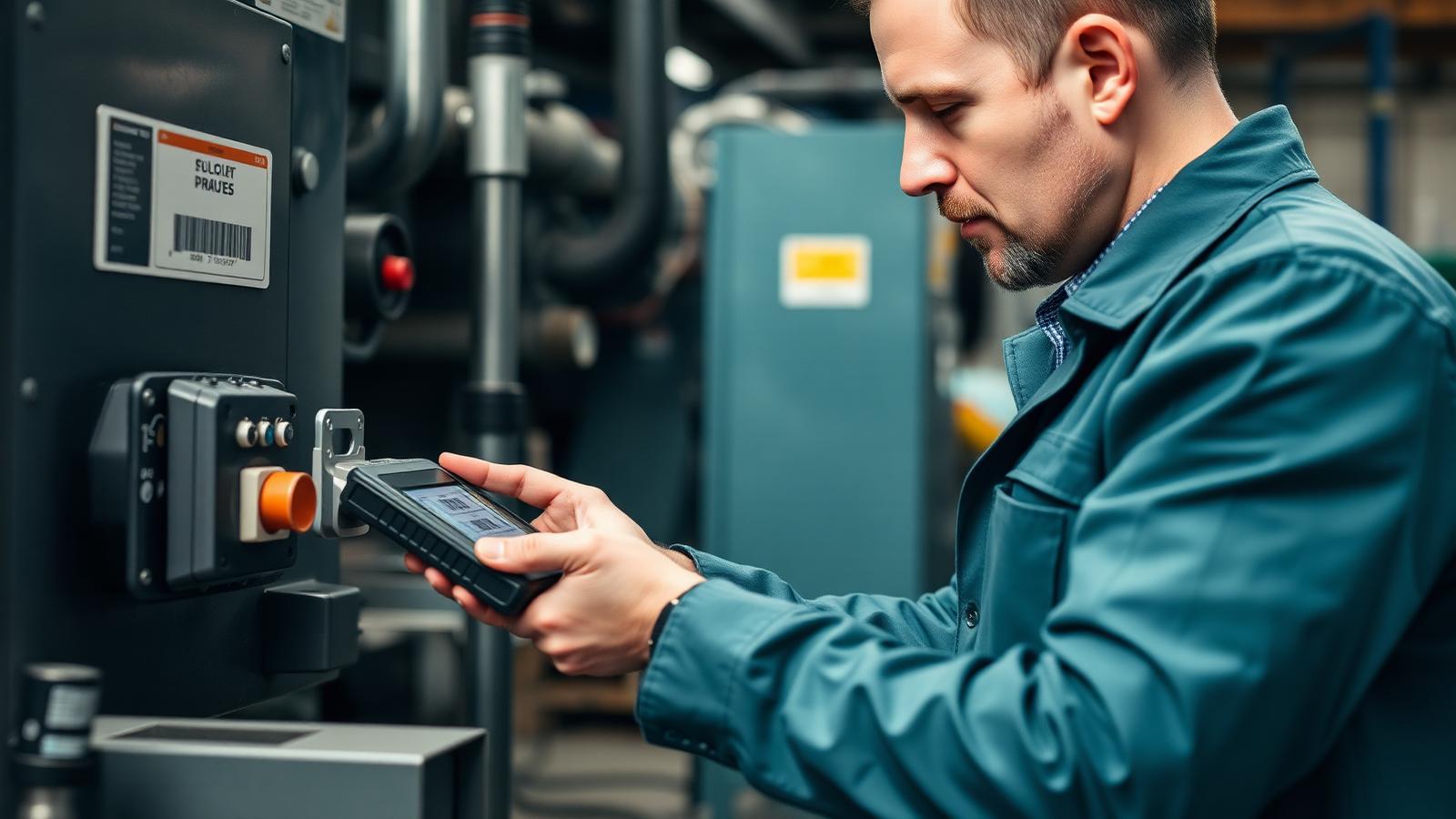
That is why OCR and licence disc scanning are so useful in field operations that rely on vehicle information. OCR, or optical character recognition, allows a mobile device to extract text from an image rather than forcing the user to type it manually. In the case of licence disc scanning, that means a technician can capture key vehicle details from the disc using a phone instead of entering each field one by one.
The immediate benefit is speed. A worker standing beside a vehicle does not need another long admin step before moving on. They can scan, review the captured information, and continue with the inspection or job. That matters in high-volume workflows where even small delays multiply quickly across the day. Less typing also means less interruption. The worker stays focused on the job rather than bouncing between inspection tasks and repetitive data capture.
Accuracy is the second major gain. Manual entry creates inconsistency because different people format information differently, miss characters, or skip fields when they are under pressure. Scanning reduces that variation. It does not remove the need for validation altogether, but it gives the process a much stronger starting point. In field service, that kind of accuracy matters because vehicle details often connect to later processes such as reporting, service records, compliance tracking, and customer communication.
This is especially useful in inspections and maintenance. Vehicle-based workflows often depend on capturing the same core data repeatedly across multiple visits. If the record is created more cleanly at the source, the business can reuse that information later instead of asking staff to re-enter it from scratch. That reduces admin, but it also strengthens continuity in the data.
Licence disc scanning is also valuable where compliance records matter. Businesses that need a clean trail of inspections, expiry checks, or fleet-related documentation benefit from capturing the data in a structured way from the start. That creates a stronger record than handwritten notes or loose photo collections that still need manual processing later.
Still, credibility matters in how this topic is written. Scanning should not be sold as flawless magic. OCR works best when the image is clear, the workflow is designed properly, and the captured data can be reviewed before it moves deeper into the process. Field conditions vary. Lighting changes. Discs get dirty or worn. Validation still has a place. The advantage is that your team is checking data that has already been captured quickly, not typing every character from scratch.
That is why license disc scanning is most useful when it sits inside connected task and job management rather than acting as a disconnected scanning tool. Once the captured data can move into wider workflows through seamless integrations, the value becomes much bigger than just saving time on one form.
There is another practical benefit here that is easy to miss. Scanning makes data capture feel less burdensome, which can improve adoption. Field teams are much more likely to complete structured digital records consistently when the process feels quick and sensible. If the form is slow and repetitive, people start looking for shortcuts. OCR helps remove some of that friction.
For businesses that manage vehicle-based service, compliance, or inspection work, that matters a lot. Cleaner data in the field leads to cleaner workflows afterward. Records are easier to trust. The office spends less time correcting errors. Teams move through jobs with less interruption.
Using OCR and licence disc scanning to reduce manual data entry is not about replacing thinking with automation. It is about removing the least valuable part of the process so your people can focus on the work that needs judgment, not repetitive typing. In field operations, that is a smart trade.