If you have shopped for software to run your field teams, you have probably met two terms that seem to describe the same thing: field service management (FSM) and mobile workforce management (MWM). Vendors use them almost interchangeably, which is not very helpful when you are trying to work out what you actually need to buy.
The terms genuinely overlap, but they come from different starting points and emphasise different things. Understanding the distinction makes it much easier to judge whether a given platform fits how your business works. Here is the difference in plain language.
What Is Field Service Management?
Field service management is about the work. FSM software grew up around the service job as the central object: a customer raises a request, a work order is created, a technician is scheduled and dispatched, the job is completed on site, and it is closed out and invoiced.
FSM tends to emphasise:
- Work orders and job cards as the core record
- Scheduling and dispatch of technicians to jobs
- Parts, inventory and asset history tied to the work
- Service level agreements, first-time fix and resolution times
- Customer-facing outcomes — billing, proof of work, satisfaction
In short, FSM answers the question: how do we get this service job done well, on time and profitably?
What Is Mobile Workforce Management?
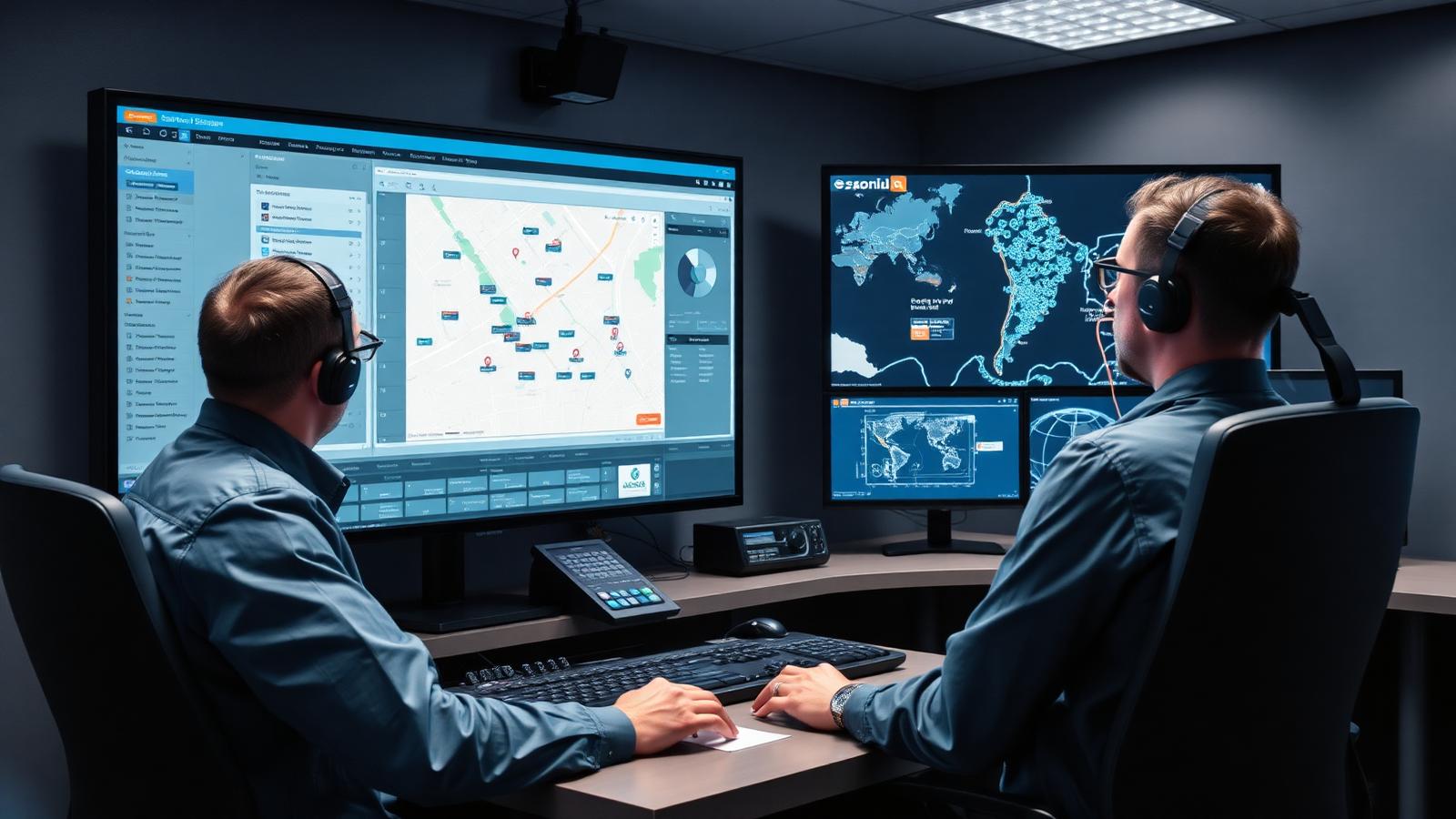
Mobile workforce management is about the people. MWM software grew up around the challenge of coordinating a distributed team that does not sit in an office — knowing where they are, what they are doing, whether they are safe and compliant, and how to communicate with them in real time.
MWM tends to emphasise:
- Real-time location and tracking of field workers
- Communication and coordination across a dispersed team
- Availability, skills and capacity of each worker
- Safety, compliance and accountability in the field
- Productivity of the workforce as a whole
MWM answers a different question: how do we coordinate, see and get the most from a team that is spread across the map?
Where FSM and MWM Overlap
In practice, the two are deeply intertwined — which is exactly why the terms get muddled. You cannot dispatch a job well (FSM) without knowing where your technicians are (MWM). You cannot manage your workforce's productivity (MWM) without understanding the jobs they are completing (FSM). The work and the people are two sides of the same operation.
- Central object — FSM: the service job / work order. MWM: the field worker / team.
- Core question — FSM: is the job done well and on time? MWM: where is the team and what are they doing?
- Strengths — FSM: scheduling, parts, SLAs, billing. MWM: location, communication, safety, capacity.
- Typical buyer — FSM: service operations manager. MWM: workforce or operations director.
- Best outcome — Both, unified on one platform.
Why the Best Platforms Do Both
Splitting FSM and MWM across two systems recreates the very problem field software is supposed to solve: disconnected tools, duplicated data and no single view. The strongest platforms unify both. The WorkWide Mobile platform brings workforce management, customer operations, assets, inventory, contracts and SLA management together, so the people and the work live in one place.
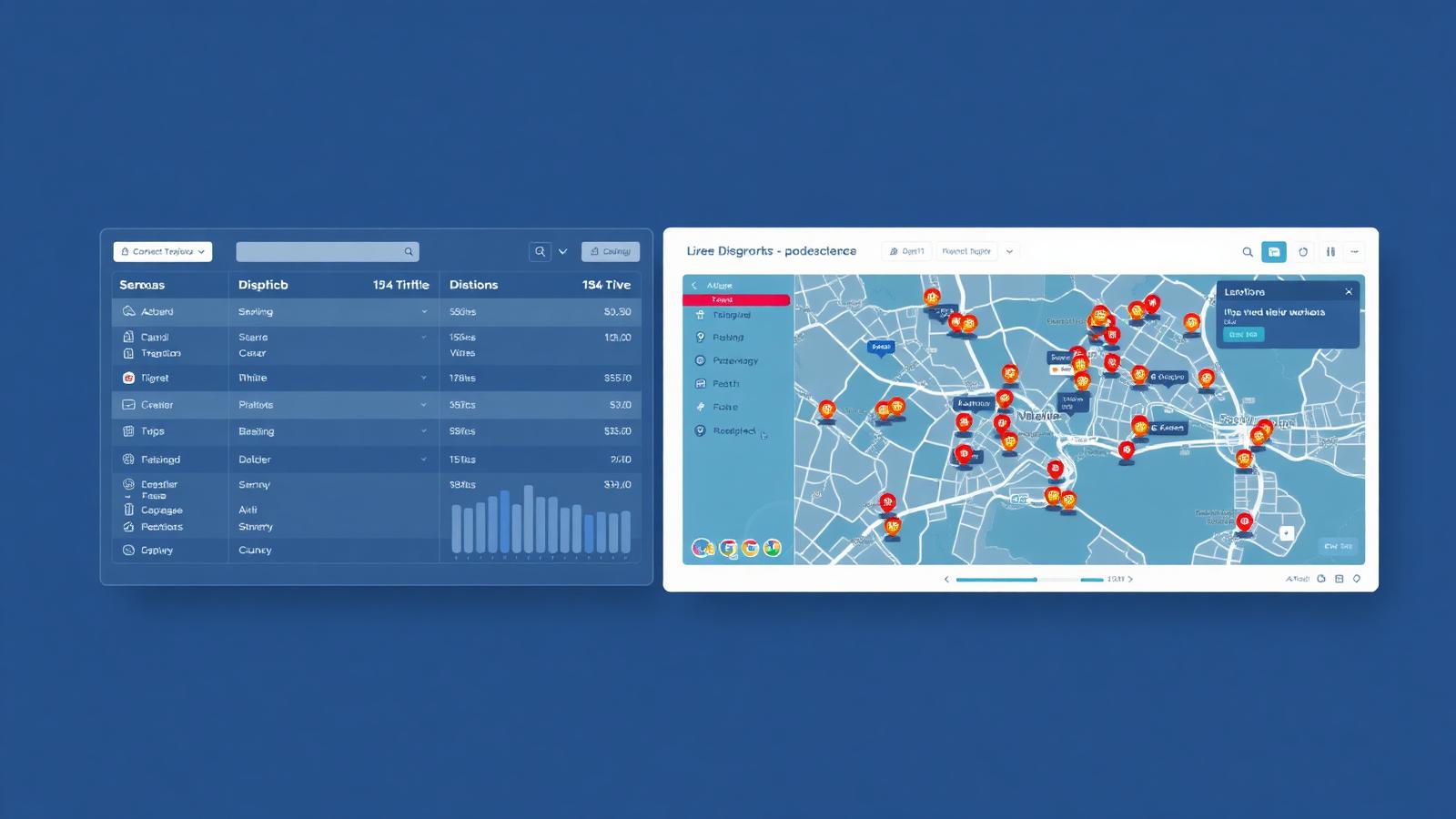
That unity is what makes the day-to-day work. Scheduling and Dispatch can assign the nearest available technician precisely because the platform knows both the job's requirements (FSM) and the worker's live location and skills (MWM). Digital Job Management ties each completed job back to the person who did it, giving you one audit trail that serves both views at once.
Which One Does Your Business Need?
The practical answer for most field operations is: both, on a single platform. If your buying conversation has been framed as "FSM or MWM," the better question is whether a platform covers the full picture — the jobs and the people — across whichever sectors you operate in. WorkWide Mobile is configured for our industries from facilities and telecoms to security, mining, healthcare and beyond, precisely because the work and the workforce cannot sensibly be managed apart.
See the platform that unifies field service and mobile workforce management. Book a demo to walk through it live.