First-time fix rate is the quiet KPI that decides whether a field service operation is profitable or just busy. It measures the share of jobs you resolve on the very first visit — without a return trip for the right part, the right skill or the right information. Every job you cannot close first time costs you a second journey, a second slot in the schedule and a customer whose patience is wearing thinner.
Raising your first-time fix rate by even a few percentage points compounds across thousands of jobs: fewer kilometres, more capacity, better SLA performance and happier customers. Here is how to do it.
What Is First-Time Fix Rate, and How Do You Measure It?
First-time fix rate (FTFR) is simply the number of jobs resolved on the first visit divided by the total number of jobs, expressed as a percentage. If your technicians completed 850 of 1,000 jobs without a return trip, your FTFR is 85%.
The trouble is that you cannot improve what you do not measure, and many operations have no reliable FTFR figure at all because return visits are not consistently logged. The first step is structured digital job records and live Reporting that flag repeat visits automatically, so you have a true baseline to improve against.
Why Jobs Fail on the First Visit
Almost every failed first visit traces back to one of three gaps:
- The wrong person — a technician without the skill, certification or experience for that specific fault.
- The wrong parts — the technician diagnoses the problem but does not have the component on the van to fix it.
- The wrong information — incomplete job details, no asset history and no idea what was tried last time.
Close those three gaps and your first-time fix rate climbs. The five levers below do exactly that.
Five Ways to Improve Your First-Time Fix Rate
1. Match the technician to the job, not just the slot
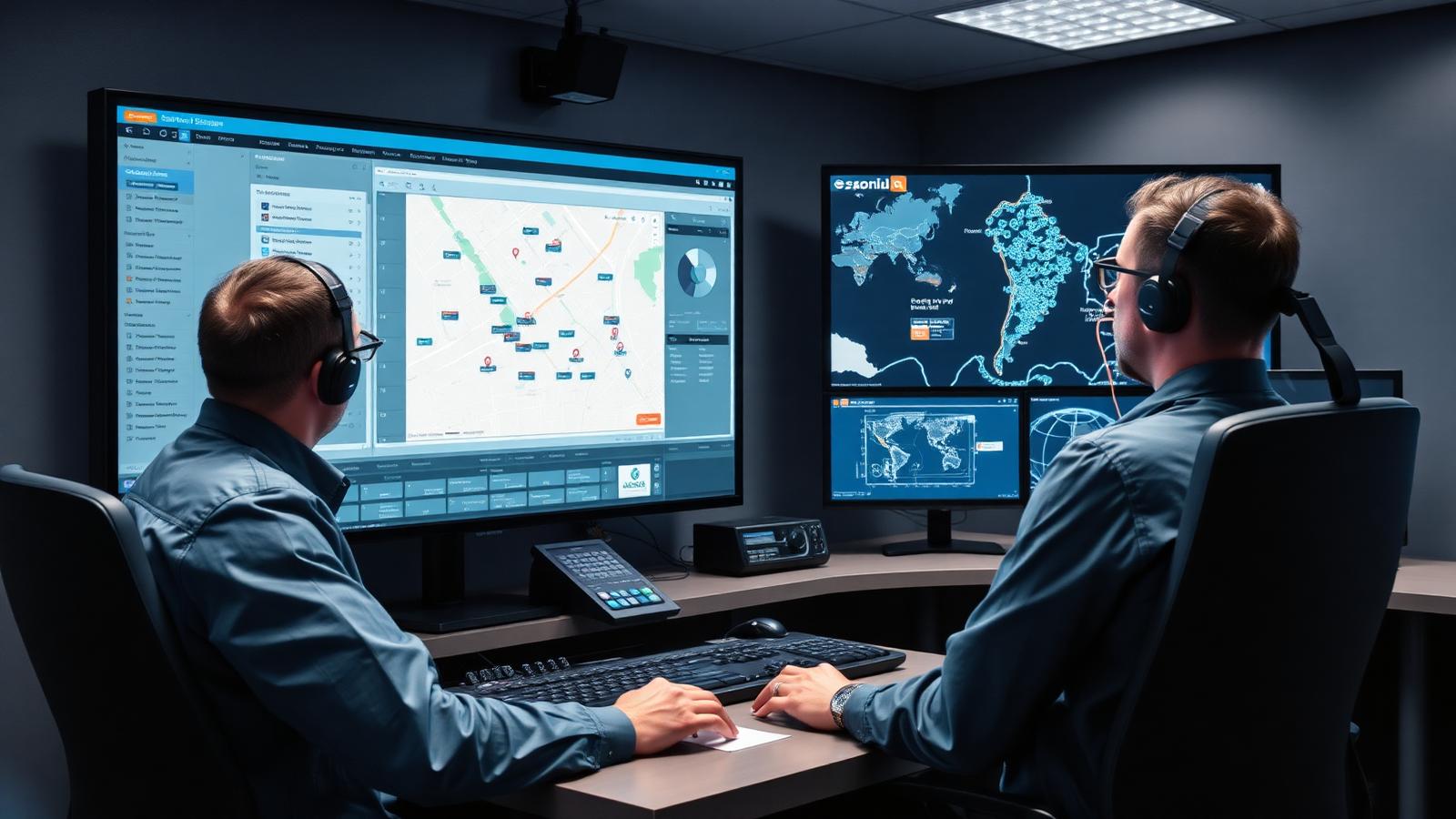
Sending whoever is free is how repeat visits begin. Skills-based Scheduling and Dispatch assigns jobs by the competencies the work actually requires — so an air-conditioning fault goes to someone qualified to fix air-conditioning, not simply the nearest available pair of hands. The right skills on the first visit is the single biggest lever on FTFR.
2. Make sure the right parts are on the van
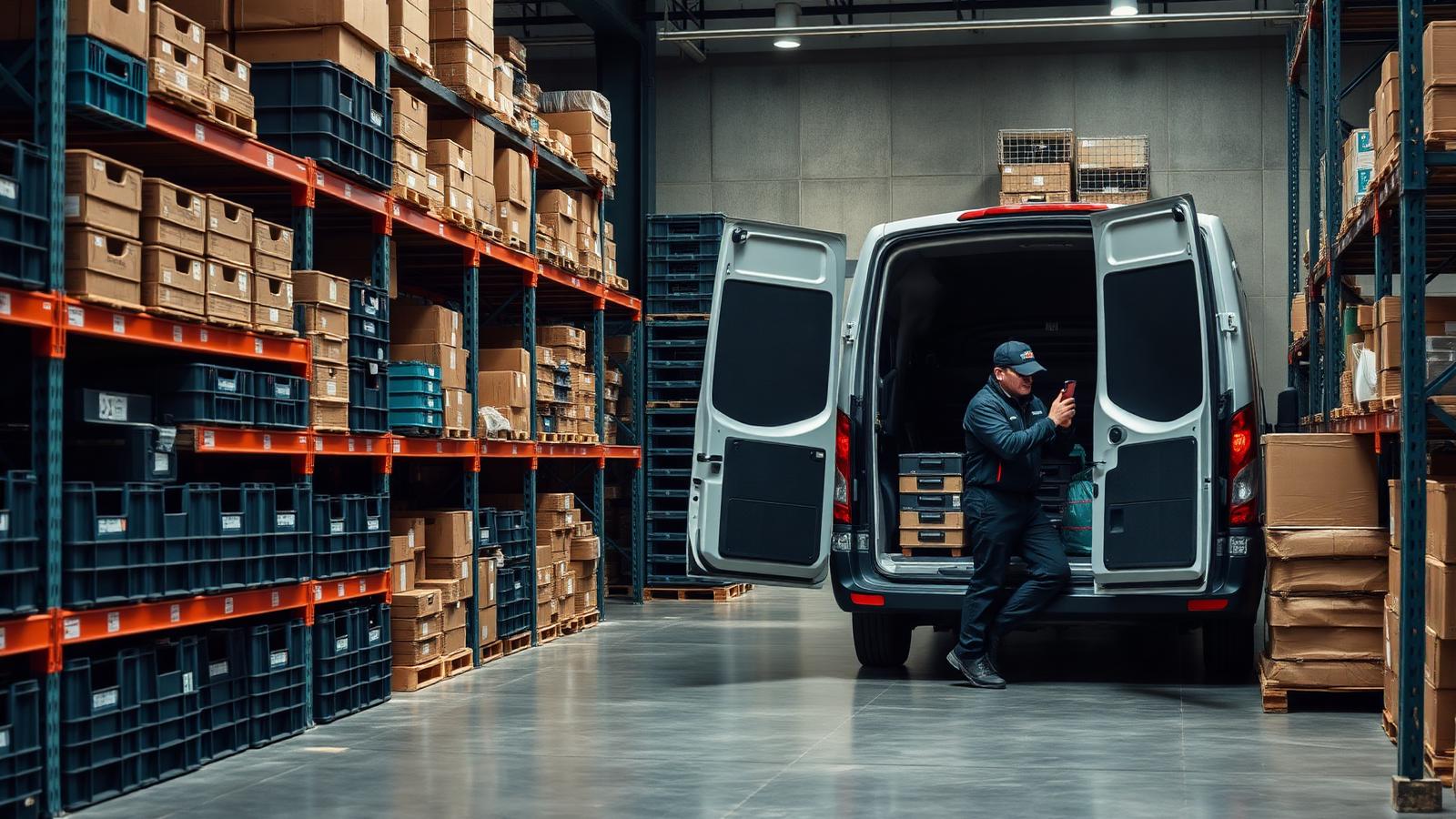
A technician who diagnoses the fault but cannot fix it has still failed the first-time test. Parts and Inventory gives you unit-level visibility of what is on each van, so dispatch can confirm the required components are in stock before the technician leaves — and replenish proactively when they are running low. Fewer empty-handed return trips, more jobs closed first time.
3. Give technicians full job context before they arrive
Half of failed visits are information failures. Technicians who arrive with the full asset history — what the equipment is, when it was last serviced, what was tried before, what photos the customer attached — diagnose faster and fix more on the first attempt. A digital job card that carries that history into the field removes the guesswork.
4. Reduce travel time so technicians arrive fresh and on schedule
Rushed, late arrivals make for rushed, incomplete work. Mapping and GPS with route optimisation cuts unnecessary kilometres, so technicians reach jobs on time with enough of the day left to do them properly. Less time on the road also means more jobs per technician, which eases the pressure that leads to corner-cutting in the first place.
5. Track FTFR and act on the patterns
Once you are measuring first-time fix reliably, the data tells you where to focus. Maybe one fault type consistently needs a second visit because a specific part is never stocked; maybe one client's sites need a particular certification. Live Reporting surfaces those patterns so you can fix the cause, not just the symptom.
What a Higher First-Time Fix Rate Is Worth
The return on improving FTFR is unusually direct. Every avoided return visit frees a schedule slot for new revenue, removes a round-trip of fuel and labour, and protects an SLA that a second visit might have breached. It also lifts customer satisfaction in the most tangible way possible: the problem was solved, the first time, without anyone having to come back. Few operational metrics pay back across cost, capacity and customer experience all at once — first-time fix rate is one of them.
Fix more jobs on the first visit with smarter dispatch. Explore Scheduling and Dispatch or book a demo to see it work.